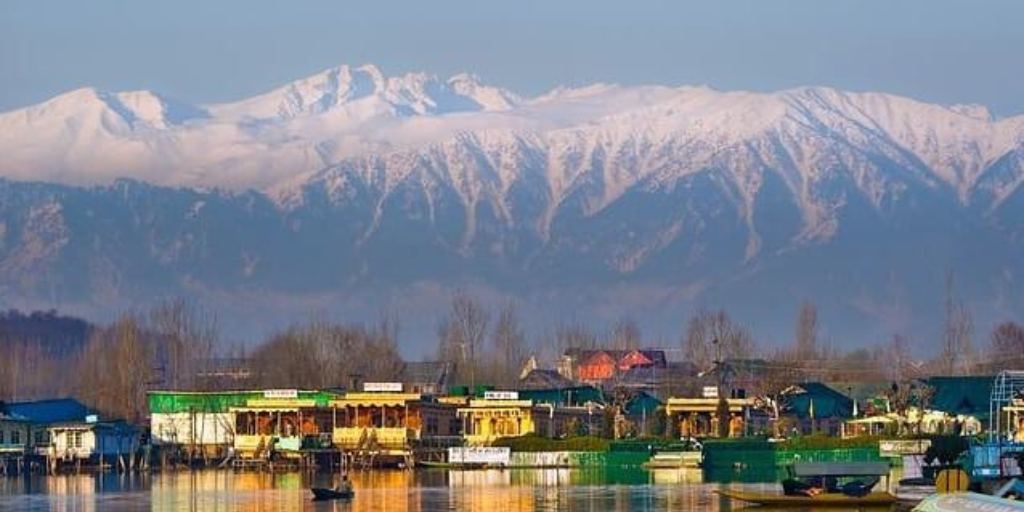
The summer capital of Kashmir is not a single attraction — it is an entire world compressed into one valley. Here is every place worth seeing, in the order you should see them.
Srinagar sits at 1,730 metres above sea level in the heart of the Kashmir Valley, cradled by snow-capped mountains on all sides and laced through with the gentle waters of the Jhelum River. It is the summer capital of Jammu & Kashmir and the beating heart of Kashmir tourism. For centuries, it has drawn emperors, poets, painters, and now millions of travellers every year — all of them arriving to see the same thing and somehow all discovering something different. This is your complete guide to places to visit in Srinagar, ordered by experience, with practical timing and travel information for 2026.
Attraction 01
Dal Lake — The Soul of Srinagar
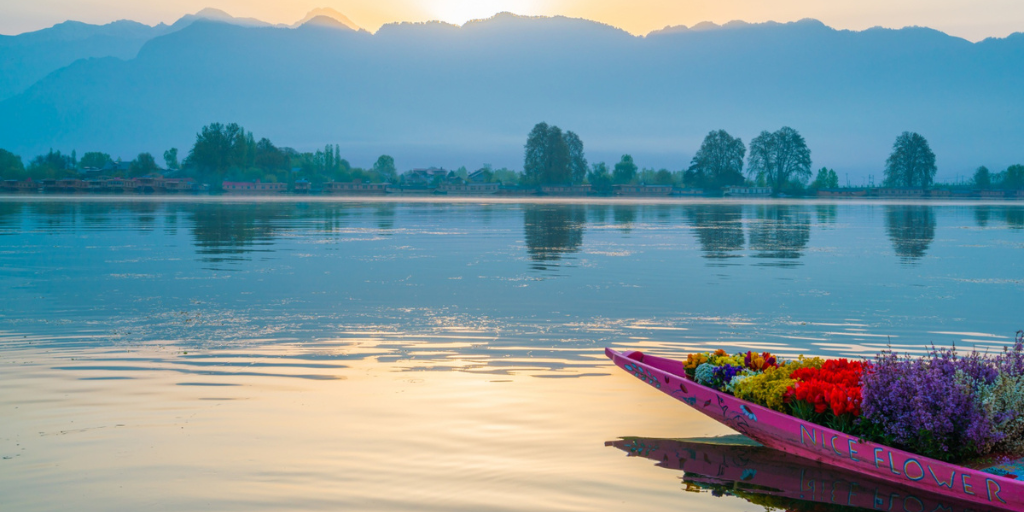
Every visit to Srinagar begins and ends at Dal Lake. This iconic 18-square-kilometre lake is not merely a tourist spot — it is an entire ecosystem, a neighbourhood, a marketplace, and a way of life. Roughly 50,000 people live on and around Dal Lake, and its floating vegetable gardens, lotus blooms, shikara taxi lanes, and 1,000-plus houseboats make it one of the most extraordinary urban landscapes in the world.
“Dal Lake at sunrise — when the mist sits low on the water and the first shikaras emerge from the fog carrying flower sellers — is one of the most quietly magical scenes in all of travel.”
What to Do at Dal Lake
- Shikara Ride at Sunrise : A shikara is a traditional wooden gondola, and a one-hour ride at sunrise is the single most iconic experience in Kashmir. Your boatman will paddle you past floating vegetable markets — where farmers trade tomatoes, lotus roots, and greens from boat to boat before dawn — through lotus gardens, past anchored houseboats, and into quieter channels where the only sound is the dip of the oar. Book a private shikara through your hotel the night before for the 6 am slot.
- ₹600–₹1,200 per hour
- Best at sunrise (6–7 am)
- Year-round
- Houseboat Stay on Dal Lake : Staying on a traditional Kashmiri houseboat is a bucket-list experience that no hotel can replicate. These intricately carved cedar-wood floating homes — many generations old — have private bedrooms, sit-out balconies, living rooms with carved wooden interiors, and attached bathrooms. You wake up to mountain views and the sound of water. Even one night changes how you understand Srinagar. Houseboats range from basic (₹2,000/night) to palatial heritage boats (₹15,000+/night).
- ₹2,000–₹15,000/night
- Dal Lake & Nagin Lake
- Book in advance Apr–Aug
- Floating Market & Lotus Garden Visit : Dal Lake has a floating post office (a true novelty), a floating vegetable market best visited between 6–8 am, and vast stretches of lotus garden that bloom from June to August. Taking a shikara through the lotus gardens in full bloom — acres of pink and white flowers over still water — is surreal. The Dalgate area at the lake’s southern end is a good base for exploring on foot and by shikara.
- Free to view
- Lotus blooms Jun–Aug
- Best by shikara
Dal Lake Quick Facts
Area: 18 sq km · Altitude: 1,583m · Connected lakes: Nagin, Anchar, Gilsar · Famous for: houseboats, shikaras, floating gardens, lotus blooms · Distance from airport: 18 km (40 min by road)
Read our full guide: Dal Lake Srinagar — houseboats, shikaras & complete guide
Attraction 02
The Mughal Gardens — Srinagar’s Royal Heritage
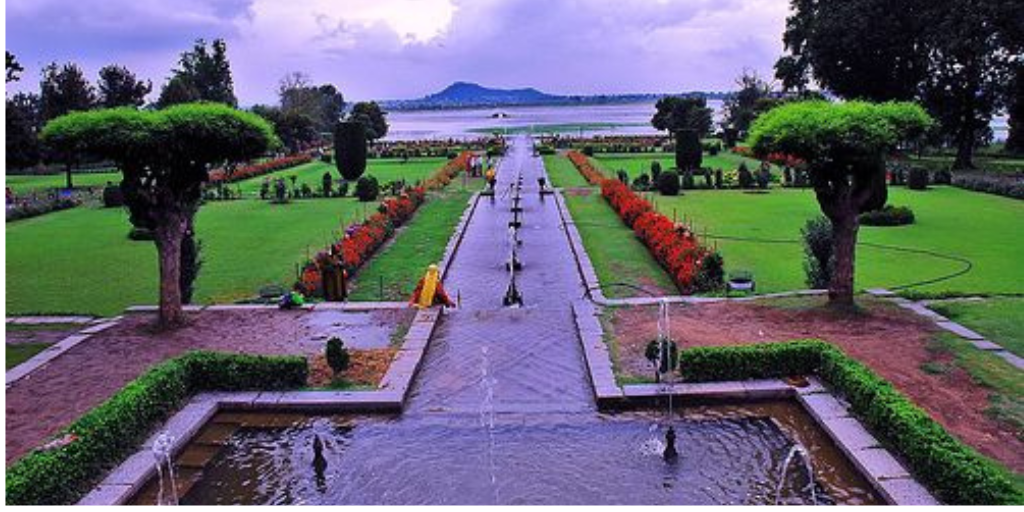
When the Mughal emperors chose Kashmir as their summer retreat, they left behind three extraordinary gifts: Shalimar Bagh, Nishat Bagh, and Chashme Shahi. These terraced Persian-style gardens, each set against the Zabarwan Mountains with Dal Lake as their foreground, remain among the finest examples of Mughal garden architecture in the world. All three are located within 5 km of each other along the eastern shore of Dal Lake and are best visited in a single half-day.
- Shalimar Bagh — Garden of Love : Built by Emperor Jahangir in 1619 for his beloved queen Nur Jahan, Shalimar Bagh (also written Shalamar Bagh or Shalimar Garden) is the grandest and most historically significant of the three Mughal gardens. Its four terraced levels rise dramatically from the lake’s edge, each connected by a central channel of cascading water. The 400-year-old chinar trees that line the central avenue are magnificent — enormous, ancient, and turning blood-red in October. Visit during the Sound & Light show on summer evenings for a theatrical experience.
- Entry: ₹24 (Indians) / ₹600 (foreigners)
- Timings: 9 am – 7 pm
- Built by Emperor Jahangir, 1619
- Nishat Bagh — Garden of Joy : The largest Mughal garden in Kashmir, Nishat Bagh was created by Asif Khan — Nur Jahan’s brother — in 1633. Twelve terraced levels rise 137 metres from Dal Lake to the mountainside, making the view from the top — Dal Lake spread below, snow peaks behind — one of the finest panoramas in Srinagar. The garden’s name means “garden of joy” and it lives up to the title in spring, when the 12 terraces erupt in tulips, irises, and roses. Also called Nishant Garden or Nishat Garden in local usage.
- Entry: ₹24 (Indians) / ₹600 (foreigners)
- Timings: 7 am – 8 pm
- 12 terraced levels
- Chashme Shahi — The Royal Spring : The smallest but perhaps most intimate of the three Mughal gardens, Chashme Shahi is centred on a natural spring whose water is said to be medicinal. Built by Shah Jahan in 1632 for his son Dara Shikoh, it has three terraces with a beautiful central cascade. The spring water here is cold, clean, and slightly carbonated — locals believe it aids digestion. The garden commands excellent views of Dal Lake below and is less crowded than the other two, making it the best for quiet photography and a peaceful hour.
- Entry: ₹24 (Indians)
- Timings: 9 am – 7 pm
- Best for peace & photos
Pro Tip — Mughal Garden Circuit
Visit all three gardens in one half-day (afternoon is best for light). Start at Chashme Shahi, walk down to Nishat Bagh, then drive to Shalimar for the evening Sound & Light show. A private cab for the circuit costs around ₹800–₹1,200. The gardens are most spectacular in spring (April–May) when flowers are in full bloom, and in October when the chinar trees turn golden-red.
Full guide: Srinagar Mughal Gardens — complete visitor guide
Attraction 03
Tulip Garden Srinagar — Asia’s Largest Tulip Garden
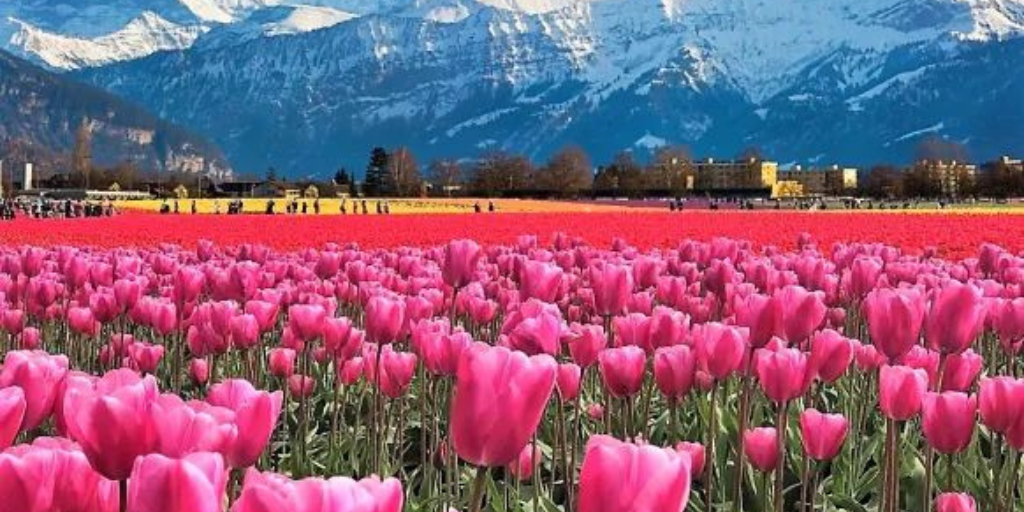
The Indira Gandhi Memorial Tulip Garden — known simply as the Tulip Garden Srinagar — is one of India’s most spectacular seasonal attractions. Spread across 30 hectares on the slopes of the Zabarwan Mountains overlooking Dal Lake, it hosts over 1.5 million tulips across 60+ varieties. When it blooms every March and April, the hillside erupts in a breathtaking patchwork of red, yellow, pink, white, purple, and orange that draws visitors from across the country.
| Detail | Information |
| Full Name | Indira Gandhi Memorial Tulip Garden |
| Location | Zabarwan hills, opposite Dal Lake, Srinagar |
| Tulip Varieties | 60+ varieties, 1.5 million+ tulips |
| Open Season | Late March to mid-April (exact dates vary year to year) |
| Timings | 9:00 AM to 7:30 PM |
| Entry Fee | ₹50 (Adults) · ₹25 (Children) · ₹200+ (Foreigners) |
| Distance from Dal Lake | 2 km (10 min by road) |
| Tulip Festival | Annual festival held in April with cultural programs |
The Tulip Garden is the centrepiece of Srinagar’s spring calendar. The annual Tulip Festival in Kashmir (usually held the first week of April) features cultural performances, traditional Kashmiri music, and food stalls alongside the blooms. This is also Asia’s largest tulip garden by area, making it internationally significant. Arrive early morning (before 10 am) for fewer crowds and the best photography light — the garden faces east and is beautifully lit in the morning hours.
Important — Seasonal Attraction
The Tulip Garden is only open for 3–4 weeks each year (typically last week of March to mid-April). Check the Kashmir Tourism Department website or contact Namaste Yatra Travels for the exact opening dates of the current year before planning your spring visit. If you miss the tulips by a week, you miss them entirely until next year.
Full guide: Tulip Garden Srinagar — timings, ticket price & best time to visit
Attraction 04
Shankaracharya Temple — Srinagar’s Highest Viewpoint
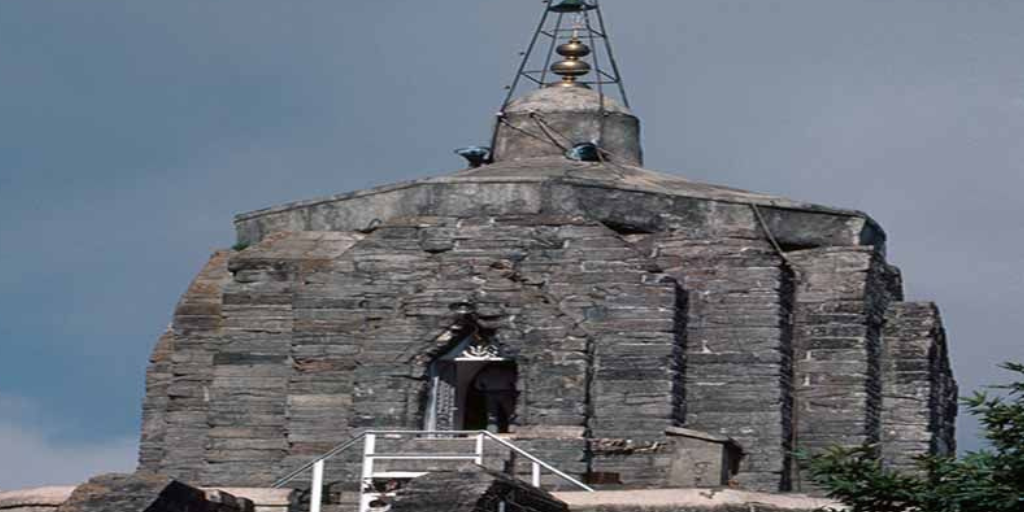
Perched on top of the Shankaracharya Hill (also known as Takht-e-Sulaiman or Solomon’s Throne), at 1,100 feet above the valley floor, this ancient Shiva temple is both a significant pilgrimage site and the single best viewpoint in all of Srinagar. From here you see the entire city spread below — Dal Lake, the houseboats, the meanders of the Jhelum River, and on clear days, the distant snow-capped peaks of the Greater Himalayas.
The temple itself dates back to the 9th century CE, though the hill has been a sacred site for far longer. The approach is via a stone staircase of 243 steps (or a road up to a mid-point from which you walk). Shoes must be removed before entering. The atmosphere is devout and serene, a world away from the tourist bustle below. Visit at sunset for extraordinary golden-hour views over the valley.
| Detail | Information |
| Timings | 7:00 AM to 5:00 PM (may vary in winter) |
| Entry | Free |
| ID Required | Yes — carry valid government photo ID |
| Distance from Dal Lake | 4 km |
| Best Time to Visit | Morning (clear views) or evening (sunset) |
| Note | No photography inside the temple sanctum. Security check at entry. |
Attraction 05
Hazratbal Shrine — The Most Sacred Site in Kashmir
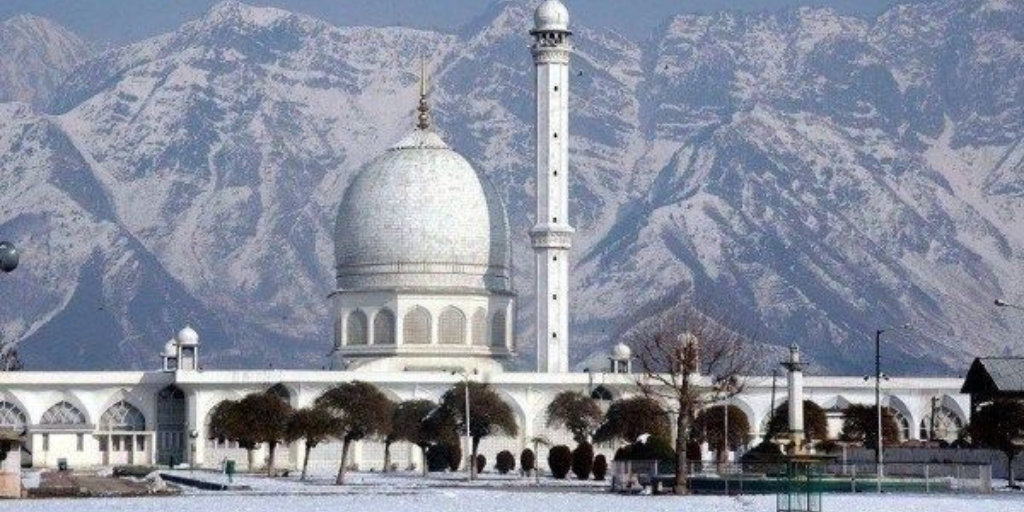
The Hazratbal Shrine on the northern shore of Dal Lake is the holiest Muslim shrine in Kashmir. Its gleaming white marble dome and minarets, reflected in the still waters of the lake, make it one of the most photographed sites in Srinagar. The shrine’s Arabic name means “majestic place,” and it houses a holy relic — a hair (Moi-e-Muqaddas) believed by Kashmiri Muslims to belong to the Prophet Muhammad — which is displayed publicly on select religious occasions, drawing enormous gatherings of the faithful.
Even for non-Muslim visitors, the shrine is a deeply moving place. The architecture is exquisite, the lakeside setting is peaceful, and the atmosphere of devotion is palpable. The shrine is open to all visitors, though modest dress is required — women should cover their hair, and all visitors should remove shoes. Visit on a Friday morning for the full experience of communal prayer and the largest gathering of worshippers.
Visitor Etiquette
Dress modestly — full sleeves and covered legs. Women should carry a scarf to cover their head. Photography is restricted near the inner sanctum. Be respectful of worshippers, especially during prayer times (five times daily). Entry is free and open to all faiths.
Attraction 06
Old City Srinagar — Where History Breathes
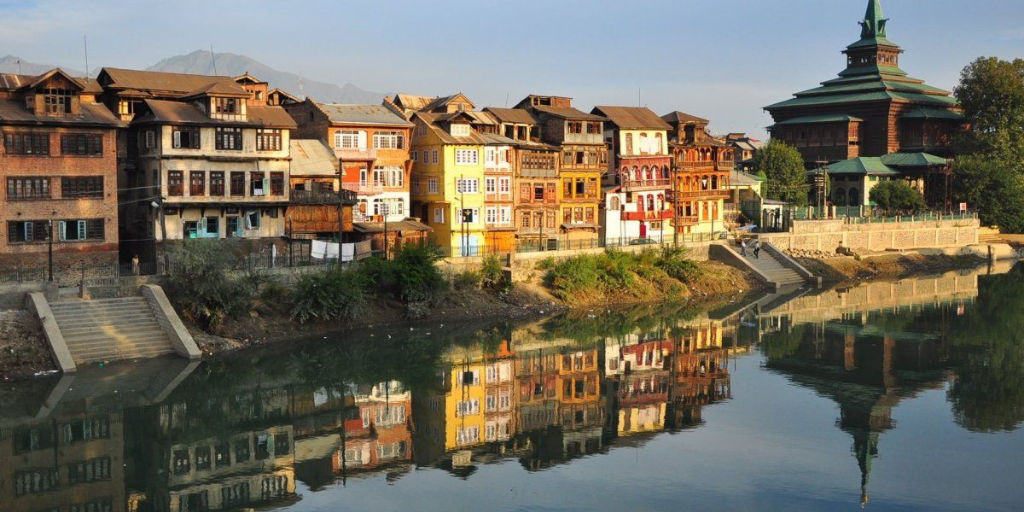
Beyond Dal Lake and the tourist circuit lies Old Srinagar — a dense, atmospheric quarter of medieval wooden mosques, narrow alleys, traditional craft workshops, and the winding Jhelum River. Most tourists miss this entirely. Those who explore it find the most authentic face of the city.
- Jamia Masjid — The Grand Friday Mosque : Srinagar’s main congregational mosque was built in 1394 CE by Sultan Sikandar. Its extraordinary architecture features 378 wooden pillars — each carved from a single deodar tree — supporting a green roof and four minarets at the corners. The mosque can hold 33,000 worshippers. The interior’s forest of carved columns in the dim light is one of the most atmospheric spaces in Srinagar. Located in the heart of the old city near Nowhatta Chowk.
- Free entry
- Closed during Friday prayers
- Dress modestly
- The Bund & Kashmiri Craft Markets : The Bund (a riverside promenade along the Jhelum) and the adjacent markets are Srinagar’s best shopping destination. Look for: hand-knotted Kashmiri carpets, pure pashmina shawls (test by pulling through a finger ring — real pashmina passes, synthetic doesn’t), papier-mâché boxes, walnut wood carvings, Kashmiri saffron (world’s finest, sold by weight), kangri (traditional fire pot), and hand-embroidered shawls and cushions. Bargain politely — it is expected and respected.
- Best: 10 am – 6 pm
- Closed Fridays (many shops)
- Buy saffron from govt emporiums
- Hari Parbat Fort : This imposing 18th-century fort sits on a rocky hillock above the city, visible from almost everywhere in Srinagar. Built by Afghan governor Ata Mohammed Khan, the fort walls circle much of the hill and encompass several temples and a mosque within its boundaries. The fort itself requires a permit to enter (obtained from the Archaeological Survey of India office), but the views from the surrounding pathways are excellent and freely accessible.
- Permit required for entry
- Views accessible freely
- Best in morning light
- Dal Lake Floating Post Office : One of only a handful of floating post offices in the world, this unique institution sits on a shikhara-shaped houseboat on Dal Lake. You can send postcards and letters with a special Floating Post Office postmark — a beloved keepsake. The post office also has a small philatelic bureau selling Kashmir-themed stamps. Located near the Boulevard Road end of Dal Lake. Open on working days, 10 am to 4 pm.
- Free to visit
- Mon–Sat, 10 am – 4 pm
- Send a postcard home
More Attractions
More Must-Visit Spots in Srinagar
- Shah Hamdan Mosque (Khanqah-e-Moula) : Built in 1395 CE along the Jhelum River in the old city, this is one of the finest examples of Kashmiri wooden architecture. The mosque’s tiered pagoda-style roof, intricate paper-mâché interiors, and riverside location make it one of Srinagar’s most photogenic buildings. Non-Muslims are welcome to admire the exterior; the interior may be restricted depending on prayer times.
- Pari Mahal (Palace of Fairies) : A ruined 17th-century garden palace built by Dara Shikoh (Shah Jahan’s eldest son) for his Sufi teacher, set on a hilltop with commanding views of Dal Lake and the entire Srinagar valley. The terraced arched ruins draped in flower gardens and the unobstructed lake panorama make it a favourite among photographers. Sunset here is exceptional. Entry: ₹30.
- Dalgate & Boulevard Road : The Boulevard Road running along the western shore of Dal Lake is Srinagar’s main promenade — lined with chinar trees, souvenir shops, walnut wood carvers, and countless restaurants with lake views. An evening walk here, watching the setting sun turn the lake copper-gold as shikaras glide by, is one of Srinagar’s great free pleasures. Dalgate at the southern end of the lake has a vibrant local market scene.
- Sri Pratap Singh Museum : Housed in a handsome colonial-era building near Lal Mandi, this is Jammu & Kashmir’s main state museum. Its collections include Kashmiri miniature paintings, shawls, weapons, natural history exhibits, and archaeological finds from across the region. Well worth two hours for history enthusiasts. Entry is free.
- Free entry
- Closed Mondays
- 10 am – 5 pm
- Nagin Lake — Dal Lake’s Quieter Sister : Connected to Dal Lake by a narrow channel, Nagin Lake is smaller, cleaner, and significantly less crowded. The houseboats here are generally of a higher standard and the atmosphere is more peaceful. It is a favourite among repeat visitors who already know Dal Lake well, and among travellers seeking a quieter, more exclusive Kashmir houseboat experience.
Day Trips from Srinagar
Places Near Srinagar — Worth the Drive
Srinagar is the perfect base for day trips and overnight excursions to the rest of the Kashmir Valley. Here are the best places to visit around Srinagar.
- Gulmarg : 56 km · 2 hours
Asia’s finest ski slopes, the world-famous Gondola, and meadows of wildflowers in summer. Gulmarg guide → - Pahalgam : 96 km · 3 hours
Betaab Valley, Aru Valley, pine forests, and the Lidder River. Base for Amarnath Yatra. - Sonmarg : 80 km · 2.5 hours
The Thajiwas Glacier, the Sindh River, and the gateway to Ladakh. Guide → - Dachigam National Park : 22 km · 45 min
Home to the endangered Hangul (Kashmir stag) and a rich range of Himalayan wildlife. - Yusmarg : 47 km · 1.5 hours
A peaceful meadow ringed by pine forests — far less touristy than Gulmarg or Pahalgam. - Verinag Spring : 80 km · 2.5 hours
The source of the Jhelum River — a beautiful Mughal garden around a crystal-clear octagonal spring.
Planning Your Trip
Best Time to Visit Srinagar
Srinagar is a year-round destination with a distinct character in each season. Your ideal time depends entirely on what experience you are seeking.
- Spring : Mar – May. Tulip Garden, cherry blossoms, almond blooms, pleasant 10–22°C, clearest skies.
- Summer: Jun – Aug. Lush green valley, lotus blooms on Dal, perfect 18–28°C, trekking season opens.
- Autumn : Sep – Nov. Chinar trees turn gold-red, crisp air, saffron harvest, smaller crowds, dramatic skies.
- Winter : Dec – Feb. Snow-covered city, Gulmarg skiing, -5 to 5°C, magical but cold. Book early.
Detailed guide: Best time to visit Srinagar — month-by-month weather & events
Getting Around
Srinagar Local Sightseeing — Transport Options
Srinagar’s main tourist sites are spread across a 10–15 km radius, and getting around efficiently makes a real difference to how much you can cover.
- Private cab for the day (₹1,200–₹2,000): The best option. A local driver who knows the city can cover all the Mughal gardens, Shankaracharya, and the Old City in a single well-paced day. Your hotel or Namaste Yatra Travels can arrange a trusted driver. → Cabs in Srinagar — rates & trusted operators
- Shikara (₹600–₹1,200/hour): For everything on Dal Lake — houseboat transfers, floating market visits, and leisure rides. Always negotiate the rate before boarding.
- Auto-rickshaws (₹60–₹150/trip): Good for short hops within the city, especially around Lal Chowk and the Old City. Agree the fare before getting in.
- Srinagar car rental (₹2,000–₹3,500/day): For self-drive travellers, though roads in the old city are narrow and local knowledge helps. → Srinagar car rental guide
Travel Advice
Essential Tips for Srinagar Sightseeing
- Start at sunrise. Dal Lake at sunrise (6–7 am) is incomparably beautiful and far less crowded than mid-morning. Book your shikara the night before for an early slot.
- Visit Mughal Gardens on a weekday. Weekends and public holidays see significantly more domestic tourists. Weekday mornings are quieter and allow better photography.
- For the Tulip Garden, time your trip precisely. The blooming window is only 3–4 weeks in March-April. Visit in the first two weeks of April for peak bloom. The garden is finished by late April.
- Carry valid ID everywhere. Shankaracharya Temple requires ID for entry. Several checkpoints around the city may ask for identification. Always carry your Aadhaar or passport.
- Dress appropriately for religious sites. Both Hindu temples and Muslim mosques require covered legs and arms. Women should carry a dupatta or scarf. Shoes are removed at all religious sites.
- Don’t skip the Old City. The tourist trail can make Srinagar feel like a series of lake views and garden gates. The old city — Jamia Masjid, the Jhelum riverbank, the wooden-fronted shops — is where you feel the city’s true character.
- Buy saffron from government emporia only. Kashmir’s famous saffron is widely adulterated in tourist markets. Buy from J&K government emporiums or ask your Namaste Yatra guide to take you to a certified supplier.
- Budget 3 full days minimum for Srinagar city alone. First-time visitors often underestimate how much there is to see. Between Dal Lake, the gardens, the temple, the shrines, and the old city, three days is the comfortable minimum.
Srinagar Sightseeing — FAQs
What is Srinagar famous for?
Srinagar is famous for Dal Lake and its houseboats, the traditional shikara ride, the three Mughal gardens (Shalimar, Nishat, Chashme Shahi), the Tulip Garden (Asia’s largest), Shankaracharya Temple, and Kashmiri handicrafts including pashmina shawls, carpets, and walnut woodwork. It is the summer capital of Jammu & Kashmir and a UNESCO-listed city of crafts and folk art.
How many days are enough to see all places in Srinagar?
A minimum of 3 full days is needed to cover the main attractions — Dal Lake & houseboat (1 day), Mughal gardens & Shankaracharya (1 day), and Old City/Hazratbal/shopping (1 day). For a relaxed experience including Nagin Lake and the outlying sites, 4–5 days is better. Most Kashmir tour packages allocate 2–3 days in Srinagar as part of a larger Kashmir circuit. → How many days for Kashmir trip?
Which is the best area to stay in Srinagar?
For first-time visitors, a houseboat on Dal Lake is the most iconic and recommended option. For hotel stays, Boulevard Road (along Dal Lake) gives easy access to the lake and gardens. Nishat/Brein area is quieter and more residential. Lal Chowk puts you in the heart of the commercial city. → Best hotels in Srinagar
Is Srinagar safe for tourists in 2026?
Yes. Srinagar and the main tourist areas of Kashmir have been welcoming millions of visitors each year without incident. The tourism infrastructure is well-developed and the local population is extremely hospitable. Always follow your tour operator’s and local authorities’ guidance, especially regarding any time-specific advisories. → Is Kashmir safe to visit in 2026?
What is the local sightseeing taxi fare in Srinagar?
A full-day private cab for Srinagar local sightseeing costs between ₹1,200 and ₹2,000 depending on the number of stops and the season. For airport transfers, expect ₹500–₹800 one way. The government-fixed taxi rates are displayed at the Tourist Reception Centre (TRC) in Srinagar. → Srinagar local sightseeing taxi fare guide
What can I buy in Srinagar?
Srinagar’s most famous crafts include: pure pashmina and shahtoosh shawls, hand-knotted Kashmiri carpets (among the world’s finest), papier-mâché decorative items, walnut wood carved furniture, Kashmiri saffron (the world’s most expensive spice), Kashmiri dry fruits (walnuts, almonds, apricots), and hand-embroidered fabrics. Bargain at markets; buy saffron and carpets from certified government emporiums.
Ready to See Srinagar for Yourself?
Let Namaste Yatra Travels plan your perfect Srinagar holiday — houseboat, Mughal gardens, Gulmarg day trip and more. Custom packages for couples, families & groups.
Continue Exploring Kashmir
| Kashmir Tour Packages Complete guide — Root pillar | Dal Lake Guide Houseboats, shikaras & tips | Tulip Garden Srinagar Timings, tickets & best time | Mughal Gardens Guide Shalimar, Nishat, Chashme Shahi |
| Gulmarg Tour Package Gondola, ski & stays | Sonmarg Valley Guide Thajiwas Glacier & day trips | Best Time to Visit Srinagar Month-by-month guide | 5-Star Hotels Srinagar Luxury stays & houseboats |
| Budget Hotels Dal Lake Best value stays | Cabs in Srinagar Local transport & taxi fares | 5 Nights 6 Days Package Most popular itinerary | Kashmir Honeymoon Romantic packages 2026 |